Following the signing of the cooperation agreement for the zero‑carbon park project in Aksu, Xinjiang, the project has officially entered the implementation phase. On 5 June, Zheng Haiqing, General Manager of Halidom New Energy, led the project team to Aksu to attend the symposium on green power direct connection and project progress for the zero‑carbon park.
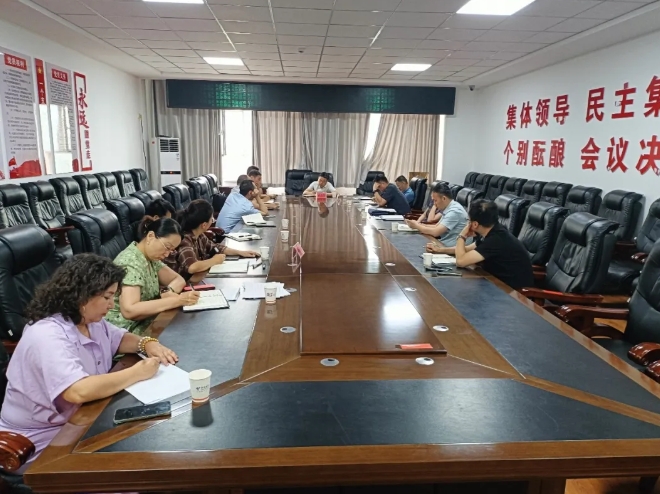
Liu Zhihui, Secretary of the Party Working Committee of the Aksu Park, relevant officials from the Prefectural Bureau of Industry and Information Technology, and representatives from State Grid NARI Group, the Energy Engineering Design Institute of Zhejiang University, Jiangsu Gaoling Carbon Information and other enterprises and institutions attended the meeting. All parties held in-depth discussions on the overall zero-carbon construction plan for the park.
At the meeting, participants focused on the key priorities of the park’s zero-carbon transition and discussed three green energy supply models: virtual power plants, microgrids and green power direct connections. By integrating scattered energy resources within the park and importing clean energy from external sources, the overall energy consumption system can be optimised. This approach reduces enterprises’ electricity expenditure, unlocks surplus energy consumption quotas and enhances the park’s attractiveness for investment.
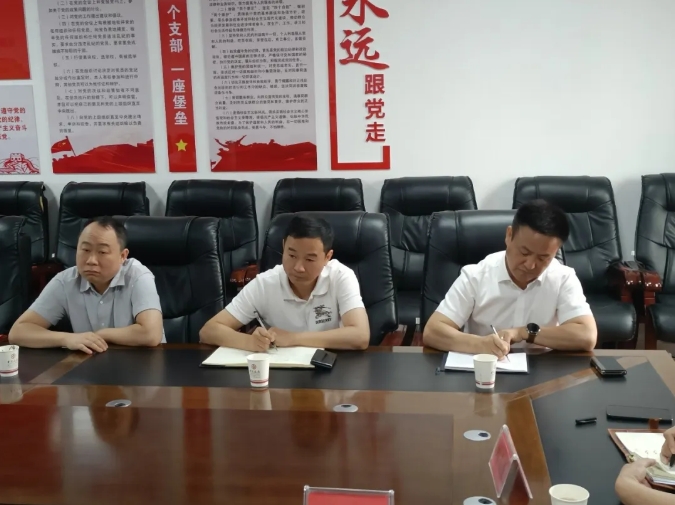
Regarding the development of digital management and control, the meeting defined a phased implementation plan for the energy and carbon platform. Building on the outcomes of the preliminary energy consumption survey of enterprises, the platform construction, data access and system integration will be completed step by step. Digital tools will form the foundation for low‑carbon management within the park.
With regard to project roll‑out strategies, the meeting agreed on the development principle of “pilot first, then roll‑out”. Green power pilot projects will be implemented first at key enterprises. Existing local wind and solar resources nearby will be harnessed to keep construction costs under control in an economical way. Meanwhile, leveraging the resource advantages of the cooperation platform, high‑quality industrial chain enterprises will be targeted and introduced. This delivers mutual benefits: low‑carbon energy transition and industrial cluster development reinforce one another.
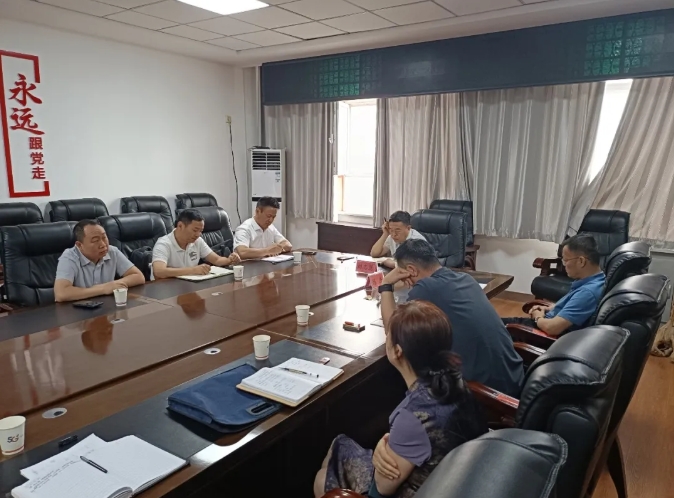
Government authorities and cooperating organisations clarified various supporting measures for implementation. The local government will provide policy support and resource guarantees, technical partners will deliver professional technical backing, and Halidom New Energy will take the lead in coordinating the whole implementation process of the project. Zheng Haiqing stated that, based on the consensus reached at this forum, the team will push ahead with preliminary pilot works, draw up a reverse construction schedule and accelerate the delivery of all works.
In the future, Halidom New Energy will steadily advance the full-chain construction of the Aksu zero-carbon park, create a model for zero-carbon transition among parks in southern Xinjiang, and support the integrated development of local new energy and the real economy.