
In September 2020, President Xi Jinping announced at the 75th Session of the United Nations General Assembly that China would strive to peak carbon dioxide emissions before 2030 and achieve carbon neutrality before 2060. Key priorities include transforming the energy structure, steadily cutting down fossil fuels and building a new power system dominated by non‑fossil energy sources such as wind, solar and other renewables. Industrial restructuring will also be carried out to rein in high‑energy‑consumption industries and substantially boost energy conservation and efficiency gains.
On 20 June 2021, the National Energy Administration issued the "Notice on Submitting Pilot Plans for County‑wide Rooftop Distributed Photovoltaic Development", formally launching the nationwide roll‑out of county‑based distributed photovoltaic schemes.
On 1 June 2022, the National Development and Reform Commission published the "14th Five‑Year Plan for Renewable Energy Development". It set a target for annual renewable‑energy power generation to reach roughly 3.3 trillion kilowatt‑hours by 2025. Over the 14th Five‑Year Plan period, renewables will account for more than 50% of the growth in national electricity consumption, with wind and solar power output doubling.
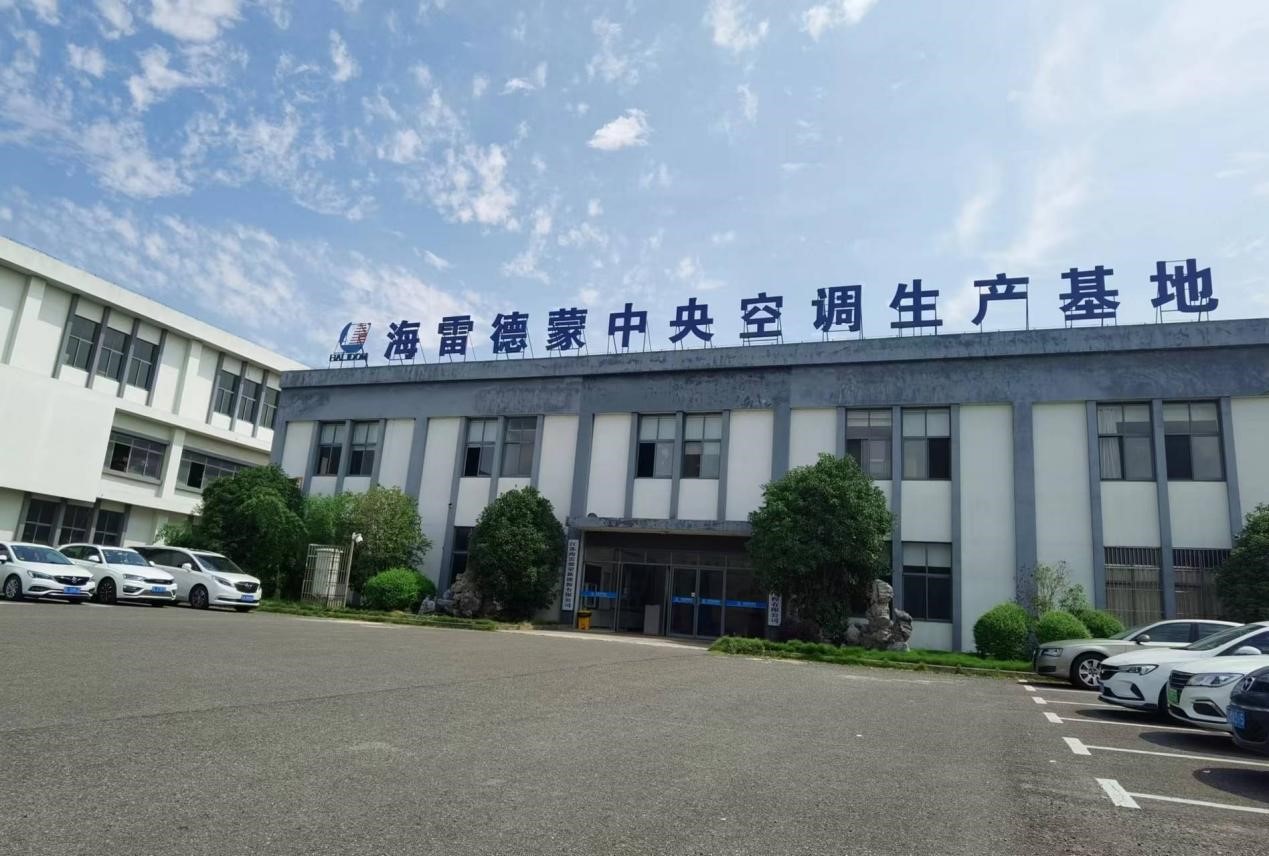
Against this backdrop, Jiangsu Halidom New Energy (Group) Co., Ltd. has developed a photovoltaic heat pump combined cooling, heating and power (CCHP) system. Heat pumps and photovoltaic products are mature technologies in their own right, yet their market applications have remained relatively limited. Halidom’s photovoltaic heat pump is an innovative integration of these two technologies.
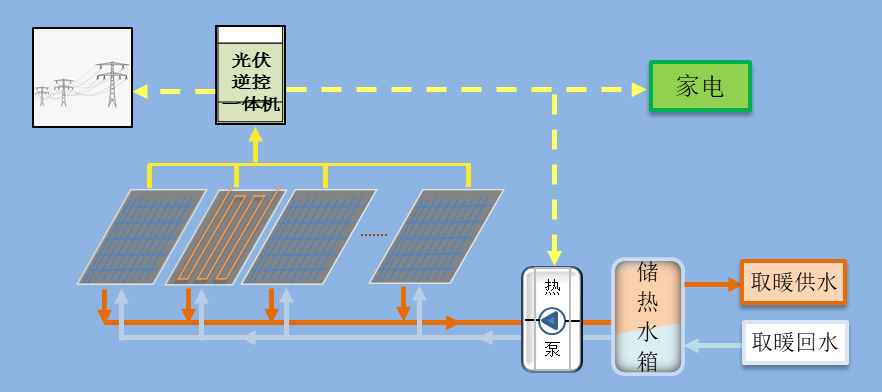
Shortly after the dual carbon targets were announced in November 2020, Halidom threw itself into R&D to help deliver these carbon goals. The CCHP system combines photovoltaic modules with heat collectors to harvest solar energy alongside wind, rain and air thermal energy, converting these natural resources into electricity and heat. While generating power, the photovoltaic modules transfer surface heat to the heat pump unit. The electricity produced by the modules can drive the heat pump, which in turn delivers cooling, space heating and domestic hot water. The system also supports electricity and thermal storage to meet round‑the‑clock power and air‑conditioning demands.
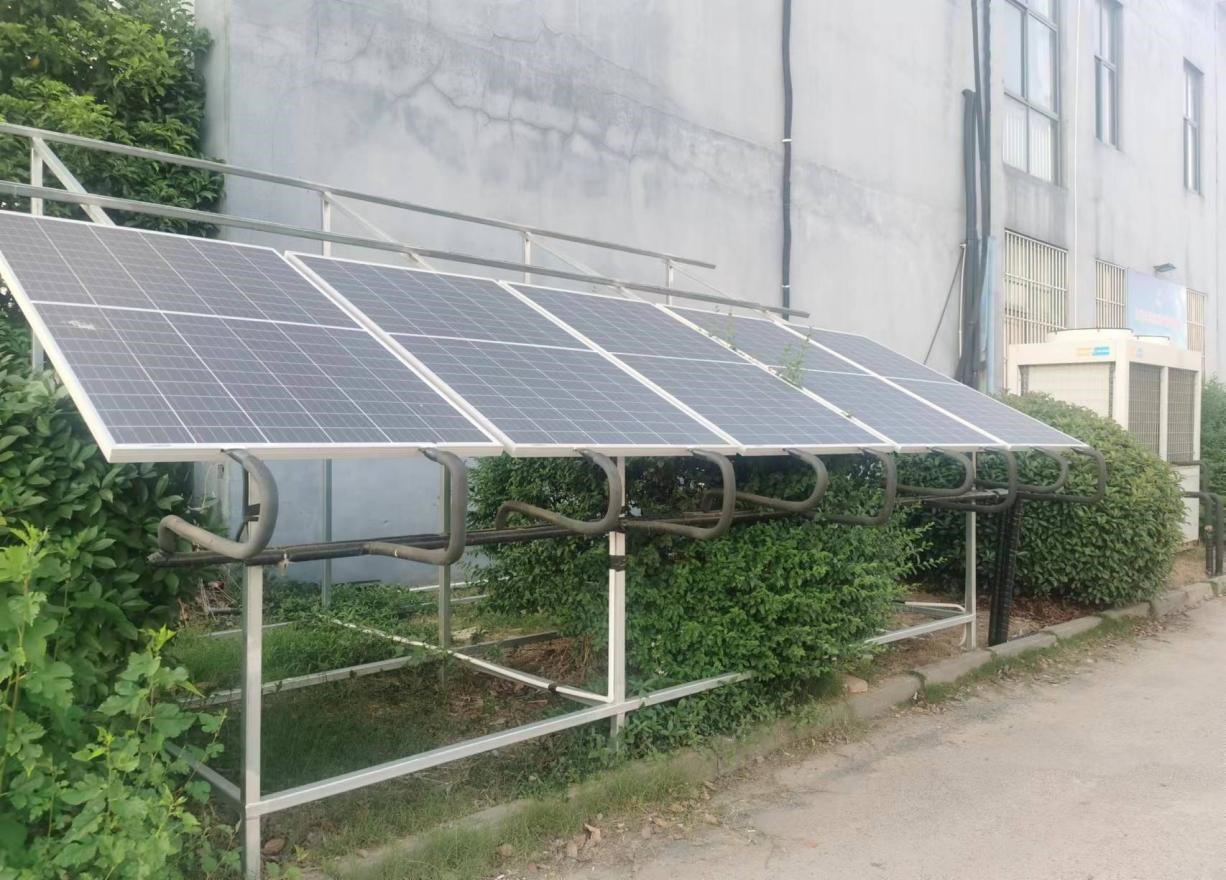
During our R&D phase, the National Energy Administration released further policies to promote rooftop distributed photovoltaics, which further validated the technical direction and promising market prospects of Halidom’s photovoltaic heat pump CCHP system.
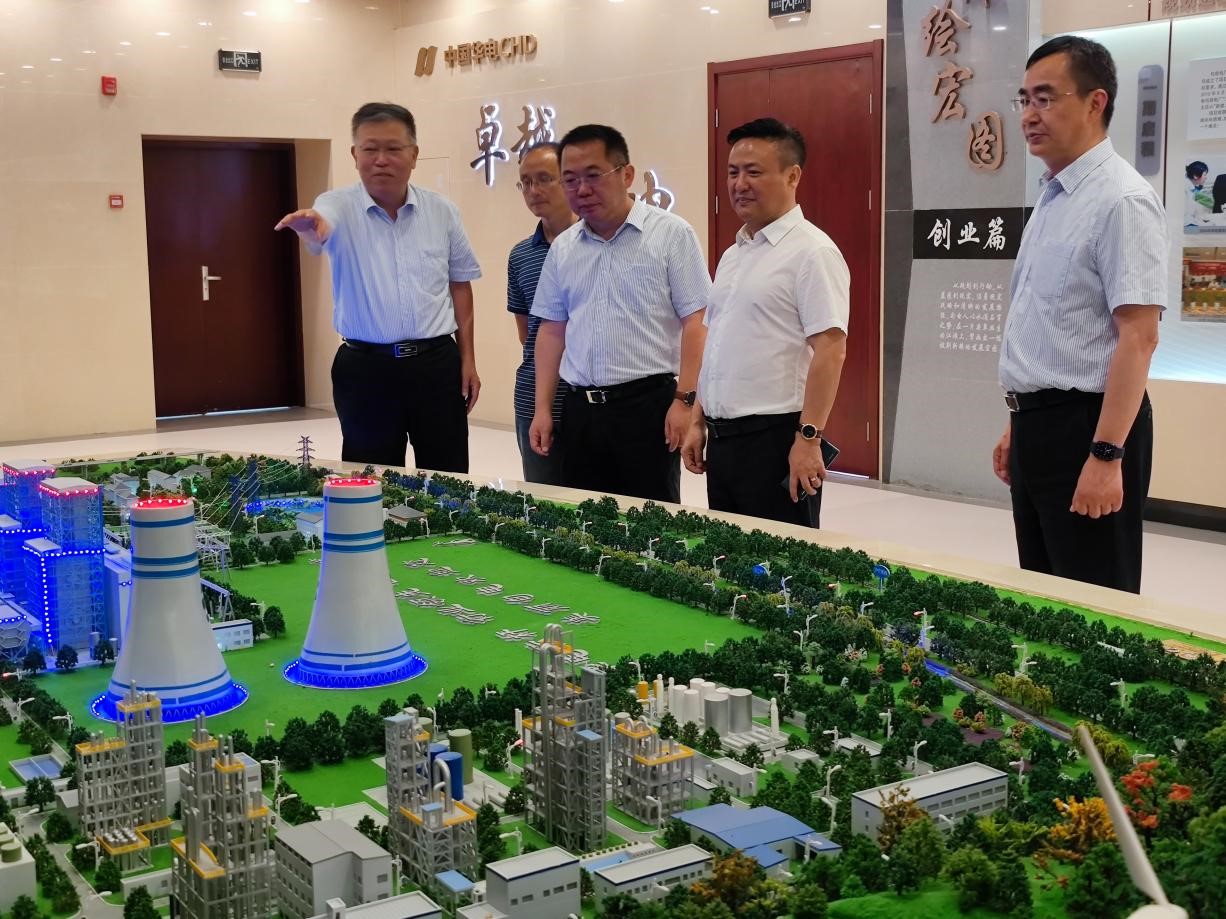
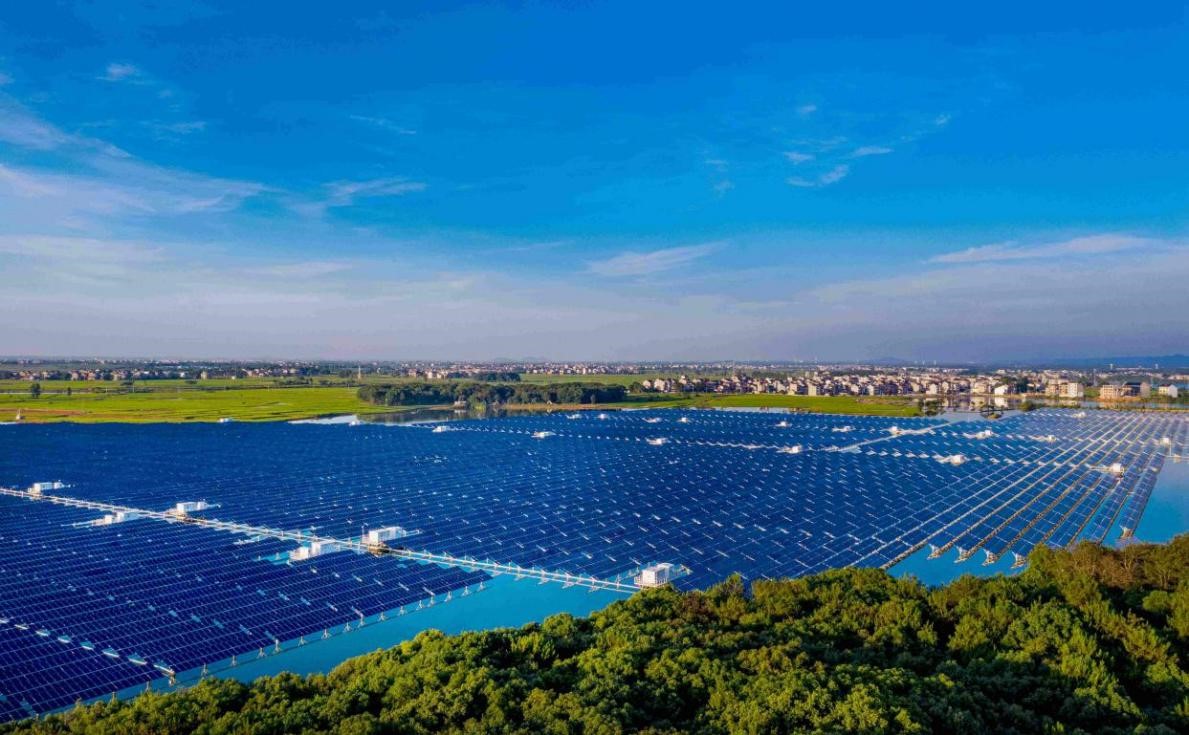
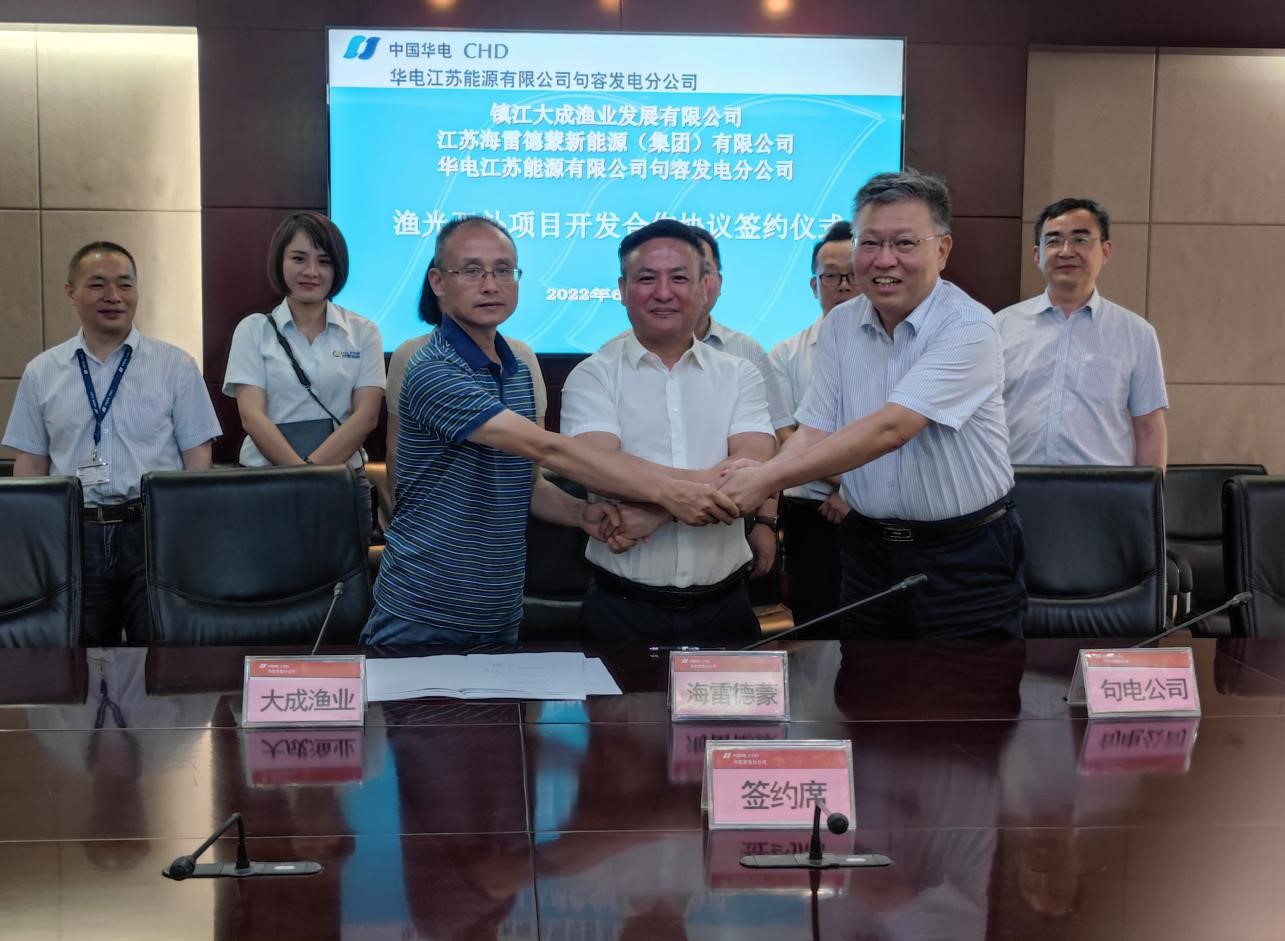
On 16 June 2022, Jiangsu Halidom New Energy (Group) Co., Ltd. partnered with the Jurong Power Generation Branch of China Huadian Jiangsu Energy Co., Ltd. to develop a roughly 20 MW clean‑energy photovoltaic fishery‑solar complementary project for Zhenjiang Dacheng Fishery Development Co., Ltd., with a total investment of approximately 100 million yuan. The project complies with national policies supporting the development of photovoltaic fishery schemes.
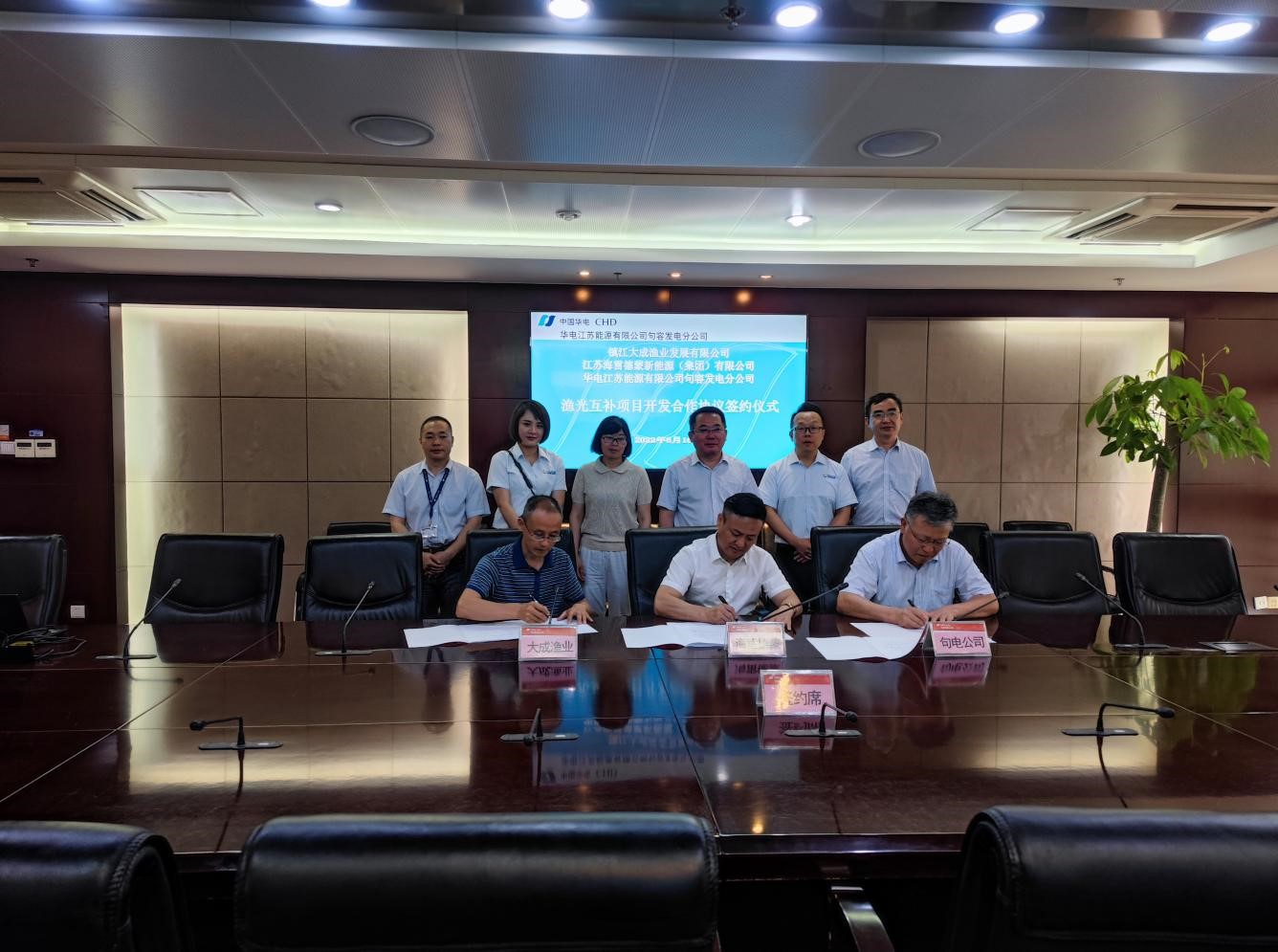
The signing ceremony was hosted at the Jurong Power Generation Branch of China Huadian Jiangsu Energy Co., Ltd. Attendees included Chen Lan, Chairman, and Sun Aiyi, General Manager of Zhenjiang Dacheng Fishery Development Co., Ltd.; Zhao Jun, Party Secretary, Chairman (Executive Director), Xia Wenxiang, Deputy Party Secretary and General Manager, Yu Jianghong, Party Committee Member, Deputy General Manager and Chief Legal Adviser, Gao Jinquan, Director of the General Office & Legal Affairs Department, and Chen Zhirong, Director of the Project Development Office of the Jurong Power Generation Branch of China Huadian Jiangsu Energy Co., Ltd.; as well as Zheng Haiqing, General Manager of Jiangsu Halidom New Energy (Group) Co., Ltd., Zhang Hengshuo, Technical Supervisor, Xu Yunfei, Director of the General Manager’s Office, and Liu Lei, Marketing Manager.
Photovoltaic panels will be laid over available roof space, fish ponds and surrounding land on the site to form a solar power station. Sections of the site will also accommodate the photovoltaic heat pump CCHP system. On‑site power demand and thermal loads for aquaculture supplied by air‑source heat pumps will be covered by the photovoltaic station and the CCHP system. The project achieves on‑site generation for self‑consumption with zero running fuel input, and surplus electricity exported to the grid generates additional revenue.
Aligned fully with national development strategies, this project contributes to the delivery of carbon peaking and carbon neutrality and the wider uptake of distributed photovoltaics. Halidom’s photovoltaic heat pump CCHP system also offers a new reference for innovation across the heat pump and photovoltaic sectors.
Halidom keeps moving forward to support the dual carbon goals and promote renewable clean energy.